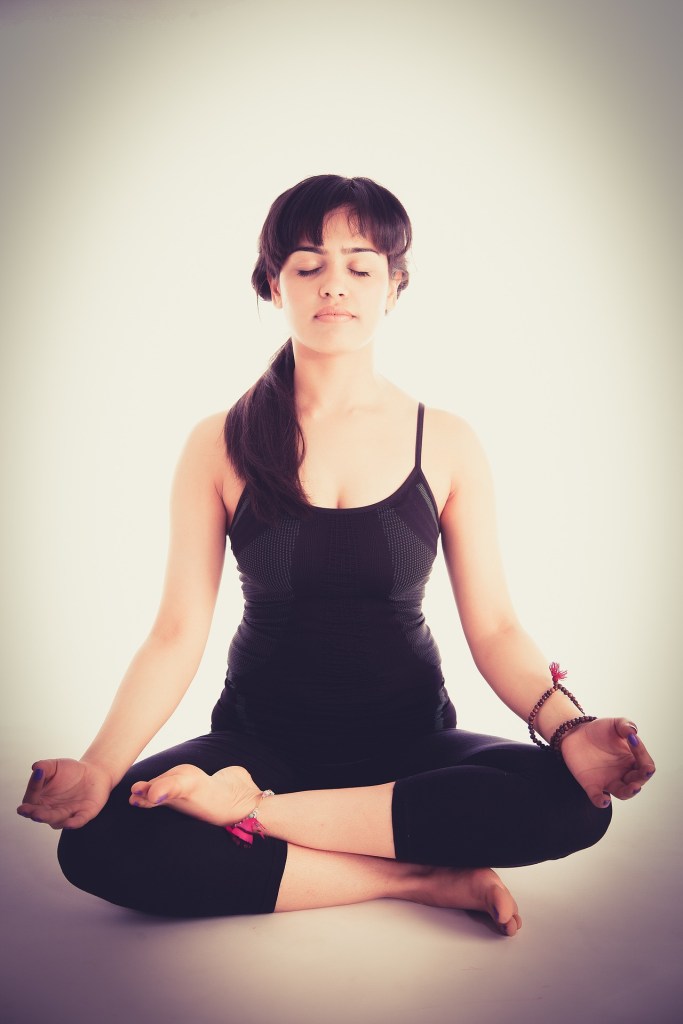
If you’re anything like most people, you may experience a gap between wanting to make meditation a habit and actually doing so. Or, you’ll bear down so hard on the desired behaviour that you lose steam after only a few days or weeks. Both these experiences are completely normal, and a testament to the fact that making a change can be really difficult. Fortunately, behavioural science research shows there are effective ways to adopt and maintain new habits.
When developing a meditation practice, it’s natural to experience resistance in its many guises. But by leveraging what science points toward when it comes to habit formation, you can succeed. Here’s an in-depth guide to making meditation a part of your daily routine once and for all.
Set an intention
Perhaps the single most important factor for successfully adopting a meditation habit is identifying your why. Ask yourself: What is the thing your truest self hopes to gain from meditating?
Is it self-compassion? Inner peace? Greater self-awareness? A more loving relationship with a child or partner?
Meditation has a vast range of health and wellness benefits. Indeed, a daily practice can reduce stress, improve focus, decrease blood pressure, heighten compassion and instill a sense of calm, among other things. And yet, an intellectualized reason that’s detached from the whisperings of the heart is not enough. The answer to your why should be accompanied by a felt sense from within the body and a flickering of longing from your most authentic self.
When you have a clear, heartfelt purpose for developing a meditation habit, the power of intrinsic motivation kicks in. Self-Determination Theory as put forth by psychologists Edward Deci and Richard Ryan, emphasizes the importance of internal motivation for behaviour change. The theory puts forth that intrinsically motivating tasks are interesting, enjoyable, and spontaneously pursued by individuals.
In other words, a clear intention establishes a strong sense of motivation. When you can identify your why, you’ll naturally want to make meditation practice consistent.
Additionally, setting a clear intention before you begin can bring focus and direction to each meditation session. It’ll guide your efforts and keep you committed, even when faced with challenges and distractions.
Moreover, by establishing an intention before each meditation session, you bring attention to the present moment and your heart’s purpose. This can deepen your connection with the practice and help you cultivate awareness of your thoughts, emotions, and experiences for the duration of the session.
Also, a clear intention will help you overcome the obstacles that inevitably arise when maintaining a meditation habit. When faced with resistance, distractions, and excuses, reconnecting with your intention can reignite your motivation and strengthen your resolve to continue the habit. Overall, setting a clear intention provides the foundational purpose and motivation for your meditation habit. It guides your efforts, helps you remain focused, and enhances your commitment, thereby increasing the likelihood of long-term habit maintenance.
Start small
When you first decide to develop a meditation habit, it’s natural to feel intimidated by the idea of committing to a lengthy practice. But, if you start tiny, it’ll reduce resistance and help you overcome any barriers to entry. By beginning with just a few minutes of meditation each day, you’ll increase the likelihood of successfully integrating the practice into your daily routine.
Starting small aligns with the idea of habit formation and behaviour change outlined in The Fogg Behavior Model and explored in depth in the book Tiny Habits: The Small Changes that Change Everything.
BJ Fogg, PhD, founder of the Behavior Design Lab at Stanford, asserts that every behaviour is the result of three converging forces: motivation, ability, and prompt. When motivation is high and the ability required to perform the behaviour is low, the more likely it becomes the behaviour will be adopted. This suggests starting with an easy behaviour will increase the likelihood of success.
So, by beginning with a very small meditation practice, you’ll reduce resistance and make it more feasible you’ll develop and maintain the habit.

In addition, prioritizing the formation of micro-behaviours allows you to build momentum and consistency. Regularity is key when developing a habit, and starting small will allow you to establish a consistent practice. It’s better to meditate for a few minutes every day than to meditate for longer periods sporadically. And, by consistently engaging with your practice, you create a positive feedback loop that reinforces the behaviour and makes it more likely to stick.
Furthermore, starting small will ensure you set realistic expectations. Without a doubt, obtaining the full benefits of a meditation practice requires consistent practice over an extended period of time. If you set overly ambitious goals, you may become discouraged when you don’t achieve them right away. By starting small, you set yourself up for success and create a positive experience with the practice. And, as you gain confidence and comfort, you can gradually increase the duration of your meditation sessions.
Lastly, starting small helps establish a sense of progress. By launching your practice with a highly manageable time commitment, you can focus on cultivating a sense of mastery. As you consistently engage in the habit and feel more and more comfortable with the allotted time period, you can begin to extend its duration and explore different techniques. Incremental progress will boost your confidence and motivate you to keep going.
Select a time and place
Consistency can help solidify a new habit, and it’s beneficial to choose a specific time of day and location for your meditation practice. It could be immediately after waking up, during a lunch break, before bed, or at any other time. Find a quiet and comfortable spot where you won’t be disturbed.
The selection of a specific time and place for your meditation practice is associated with the concept of environmental cues. In The Power of Habit: Why We Do What We do in Life and Business, Charles Duhigg explains that habits are triggered by specific cues and contexts. By consistently associating meditation with a particular time and place, you’ll create a habit loop that cues your brain to engage in the behaviour.
Our brains are wired to respond to patterns. By associating a particular time and place with your meditation practice, you’ll establish a cue that triggers the habit. The pattern will make it easier for your unconscious mind to recognize and initiate the behaviour, ultimately strengthening the habit loop.

Furthermore, when you consistently meditate in the same place, your mind and body start associating the space with a sense of calm and focus. Similarly, when you meditate at a specific time, your body and mind become conditioned to expect and prepare for the practice. Both place and time then become cues that make it easier to transition into a meditative state and maintain focus during each session.
Moreover, choosing a specific time and place helps you overcome procrastination and distraction while fostering discipline and commitment. When you have an established time and place, it creates a structure that minimizes external distractions and encourages you to prioritize your practice. This commitment is likely to strengthen your resolve and help you overcome resistance and competing demands.
Plus, having a specific time and place to meditate will help you overcome decision fatigue, which is the mental exhaustion that can arise from making too many decisions. By removing this burden, you’ll increase the likelihood of regularly engaging in your meditation practice.
Finally, choosing a specific time and place to meditate can create a sense of sacredness around the ritual. It sends a message to yourself that meditation is a meaningful and important activity that deserves your attention and focus. This mindset can deepen your connection to the practice and enhance the benefits derived from it.
Use the power of cues
Environmental cues can help you integrate meditation into your daily routine. By linking your practice to an existing habit or activity, you can piggyback off the prevailing behaviour and create a seamless transition into your meditation practice. For example, you could meditate after brushing your teeth, following a meal, or just before bedtime. This type of integration makes it more likely the habit will stick and become a consistent part of your daily routine.
Habit stacking, or using cues to establish new habits, is firmly grounded in theories posited by behavioural science. When you associate meditation with existing routines, you leverage the power of context-dependent memory and priming. This makes it easier for your brain to recognize and respond to the cue, leading to the automatic initiation of the meditation habit.
Cues can also help you overcome inertia. Starting a meditation session can sometimes be challenging, especially when faced with distractions or a busy mind. However, when you have a cue associated with your meditation practice, it serves as a signal to your brain to shift into a focused and present state. The familiar cue can help you overcome resistance and initiate the practice with greater ease.
Moreover, creating an environment conducive to meditation is beneficial. By setting up a dedicated meditation space with specific objects and aromas that signal the start of your practice, you’ll create a cue that supports your meditation habit and helps you transition into a meditative state.
Using cues when kickstarting a meditation habit helps you create consistency and overcome resistance so you can more easily integrate meditation into your daily life. By leveraging the power of cues, you’ll make it easier to initiate and sustain your practice and subsequently reap the benefits of regular meditation.
Track your progress
When it comes to habit formation, tracking progress is a widely used and effective strategy. In fact, tracking behaviours has been shown to increase self-awareness, accountability, and motivation. This aligns with various theories about behaviour change, goal-setting, and self-monitoring.
To oversee your progress you can keep a meditation journal, use a habit tracker on your phone, or simply cross off days on a calendar. The simple act of logging your daily practice will provide you with a sense of accomplishment and help you identify patterns. You may also find habit tracking motivates you to maintain your streak once it’s been established.
By keeping a record of your meditation sessions, you can identify trends and obstacles. For example, you might notice which times of day and types of environments are most conducive for meditation or whether certain techniques resonate with you. This kind of self-awareness will enable you to make informed adjustments to optimize your practice and tailor it to your specific needs.
In addition, tracking your progress provides a space where you’re accountable and helps you remain committed. You’re less likely to break your streak or skip a session if you see how far you’ve come. This accountability can help keep you committed to your practice, even during challenging times.
Moreover, tracking progress allows you to reflect on your meditation journey. As you review your records, you’ll observe how your practice gradually changed over time. This can provide a deep appreciation for the impact of meditation on your mental, emotional, and physical well-being.
Actively seek inspiration
Read books, listen to podcasts, and attend workshops that explore the topic of meditation. Surrounding yourself with inspiring content will reinforce the importance of your practice and keep you motivated.
Seeking inspiration cultivates a growth mindset. If you engage with content that motivates you, you’re more likely to embrace an attitude of continuous learning and improvement. You’ll more easily recognize that meditation is a journey of exploration and discover there’s always room for growth and development.
Moreover, surrounding yourself with inspiring content exposes you to diverse approaches to meditation. There are numerous techniques, styles, and traditions to learn from. You’ll be able to explore different schools of thought to find what resonates with you personally. This exploration will enhance the richness of your meditation practice, making it more engaging and sustainable in the long run.
Additionally, seeking inspiration connects you to a larger community. Engaging with inspiring content can lead you to discover meditation communities, online forums, and local groups where you can connect with like-minded individuals. Being part of a community provides support, encouragement, and opportunities for shared learning and growth. It can also provide access to resources, workshops, and retreats that further enhance your meditation practice.
Find an accountability partner or group
The importance of social support is well-documented in behaviour change literature. When you have an accountability partner or group, you benefit from external motivation, social reinforcement, and a sense of belonging. This can help you maintain and build your meditation habit.
Consequently, you may want to consider joining a meditation group or finding an accountability buddy. Sharing your experiences and challenges with like-minded individuals will enhance your motivation and provide you with support. Plus, knowing someone else who’s committed to meditation can inspire you to stay on track and be consistent in your own practice.
Furthermore, accountability partners and groups foster a sense of community and connection. Meditation can sometimes feel like a solitary practice, but by engaging with others who share your interest, you create a sense of belonging. The sharing of experiences cultivates a supportive community that can inspire and uplift you throughout your meditation journey.
Additionally, engaging with others who have more experience with meditation will provide you with invaluable insights and advice. Your fellow yogis can share tips, techniques, and resources to enhance your practice. This type of guidance will help you overcome challenges and deepen your understanding about the different approaches to meditation.
Accountability partners and groups can also influence your level of commitment. When you agree to regular check-ins or meetings, the knowledge that you’ll be reporting on your progress can foster a sense of responsibility and motivate you to stay consistent with your practice.
Moreover, accountability partners and groups provide a space for reflection and self-awareness. When you discuss your meditation practice with others, it allows you to reflect on your experiences, challenges, and progress. It encourages self-reflection and introspection, which can deepen your understanding of your own practice and foster personal growth.
Be compassionate
There will be days you find it challenging to meditate, and that’s completely normal and to be expected. On these occasions, its important be compassionate with yourself. And, if you miss a session, simply acknowledge it and get back on track the next day. Avoid being swept away by self-criticism if you can, as this might hinder your progress.
Compassion research conducted by scientists like Kristin Neff and Christopher Germer suggests individuals high in self-compassion are more likely to engage in adaptive coping strategies, show high levels of resilience in the face of setbacks, and maintain a growth mindset. These qualities are extremely relevant when developing a meditation habit, as they contribute to perseverance, adaptability, and a positive attitude toward progress and setbacks.
Self-compassion allows you to embrace imperfections. And since establishing a meditation habit can have its challenges, and it’s natural to experience fluctuations in motivation, practicing self-compassion enables you to acknowledge difficulties and respond to them with kindness rather than self-blame. This mindset will help you bounce back from setbacks, learn from them, and continue on your meditation journey.
Also, compassion fosters a sense of self-care and well-being. By extending it toward yourself, you prioritize your own needs. This includes recognizing when you need rest, when to adjust your meditation practice, and when to seek support.
Furthermore, compassion deepens your connection to others and the world around you. As you cultivate compassion toward yourself, it naturally extends to everyone around you. And, inevitably, it helps you develop empathy, understanding, and kindness toward others.
When faced with challenges or obstacles in maintaining your meditation habit, self-compassion will allow you to respond with self-acceptance and self-love. Instead of harshly criticizing yourself or giving up, you approach difficulties with kindness. This resilience and self-acceptance will help you persevere through challenges and maintain a compassionate mindset towards yourself and your practice.
By cultivating compassion, you develop a more positive outlook on yourself, others, and the world. This positive attitude fosters gratitude, joy, and contentment, which can enhance the overall experience of your meditation practice.
By practicing self-compassion, you create a supportive and sustainable foundation for meditation in your life, thereby promoting well-being, growth, and inner transformation.
Putting it all together
Behavioural science principles can provide invaluable guidance when kickstarting a meditation habit. By adopting strategies such as setting a clear intention, starting small, choosing a specific time and place, using cues, tracking progress, seeking inspiration, and practising self-compassion, you can establish a strong foundation for adopting a sustainable meditation routine.
These principles, backed by behavioural scientists and their research, offer practical approaches to help you overcome challenges, enhance motivation, and deepen the benefits of meditation. They provide insights that can help you navigate the ups and downs of establishing a regular practice.
When making meditation a habit, incorporating these principles will help you establish and maintain a fulfilling practice. Remember, each person’s meditation journey is unique and requires dedication, patience, and an open heart. Embrace the process, trust your own experiences, and allow your practice to become a transformative and enriching pursuit.

Ev Nittel is a mindfulness meditation teacher and the founder of An Unabridged Mind, where she helps women cultivate self-love through embodied and benevolent awareness. She writes about quieting the inner critic, building an inner ally, and practising self-compassion in daily life. Learn more and explore her resources at An Unabridged Mind.
 An Unabridged Mind
Leave a comment